In order to continuously build a first-class philosophy discipline and to cultivate high-quality, interdisciplinary talents with an international perspective, a thorough grasp of global knowledge systems, and international competitiveness, the School of Philosophy and Sociology of Jilin University fully integrated top-tier global educational resources and successfully held the “Jilin University–Cambridge University Academic Cultivation Program” from October to December 2025.
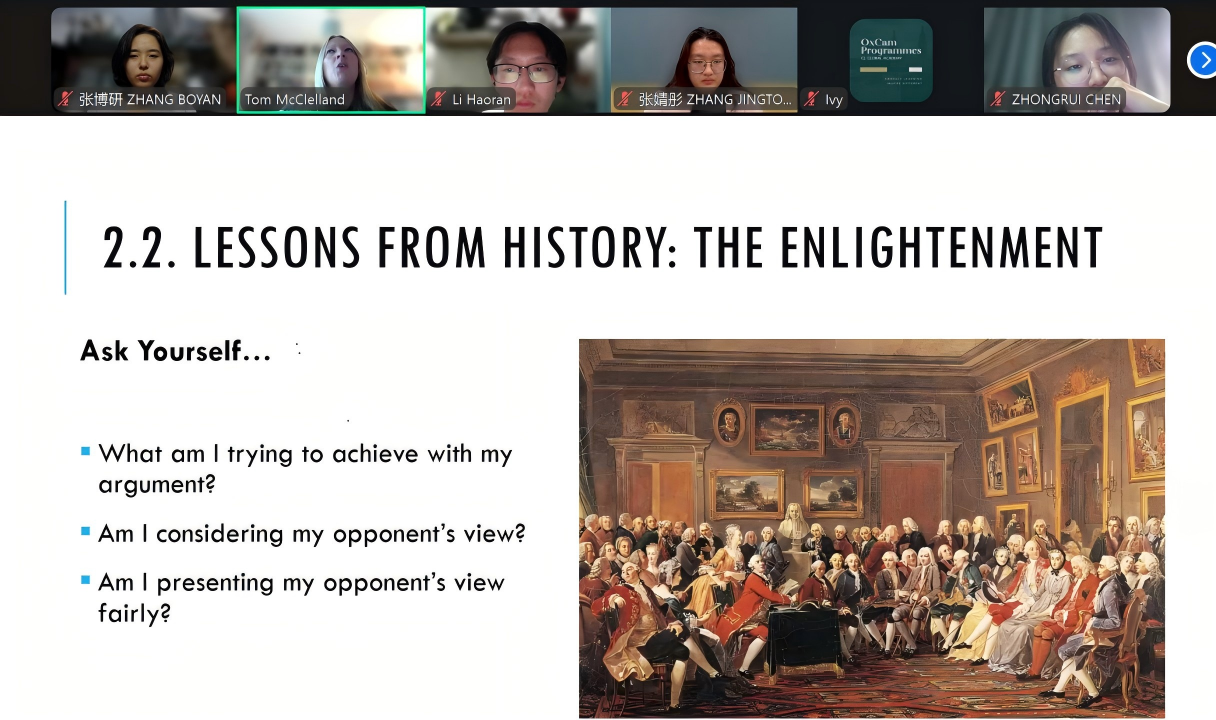
The program was conducted online via the ZOOM platform, with lectures delivered by a senior teaching team from the University of Cambridge. The course content focused on three major academic directions—philosophy of science, philosophy of mind, and Greek philosophy—closely aligning with disciplinary development trends and students’ research needs. After multiple rounds of selection, including self-registration by students, rigorous screening by the School, and interviews by the program organizers, a total of nine students from our School participated in the program.
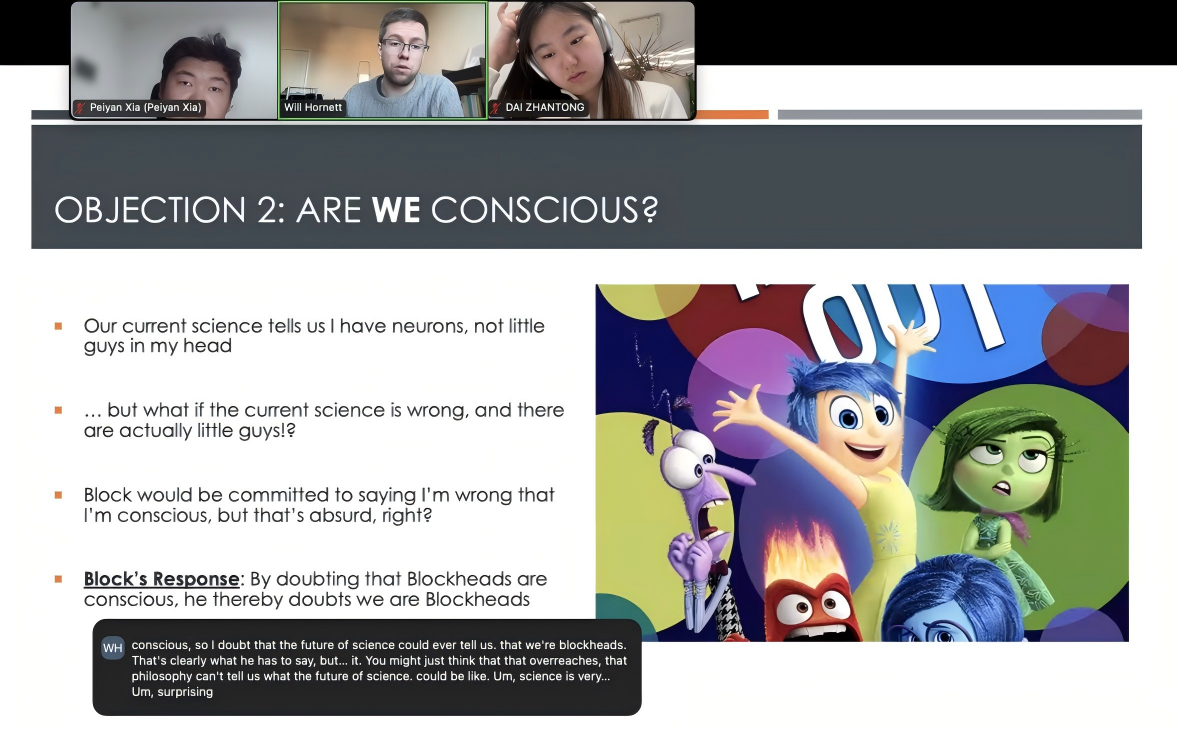
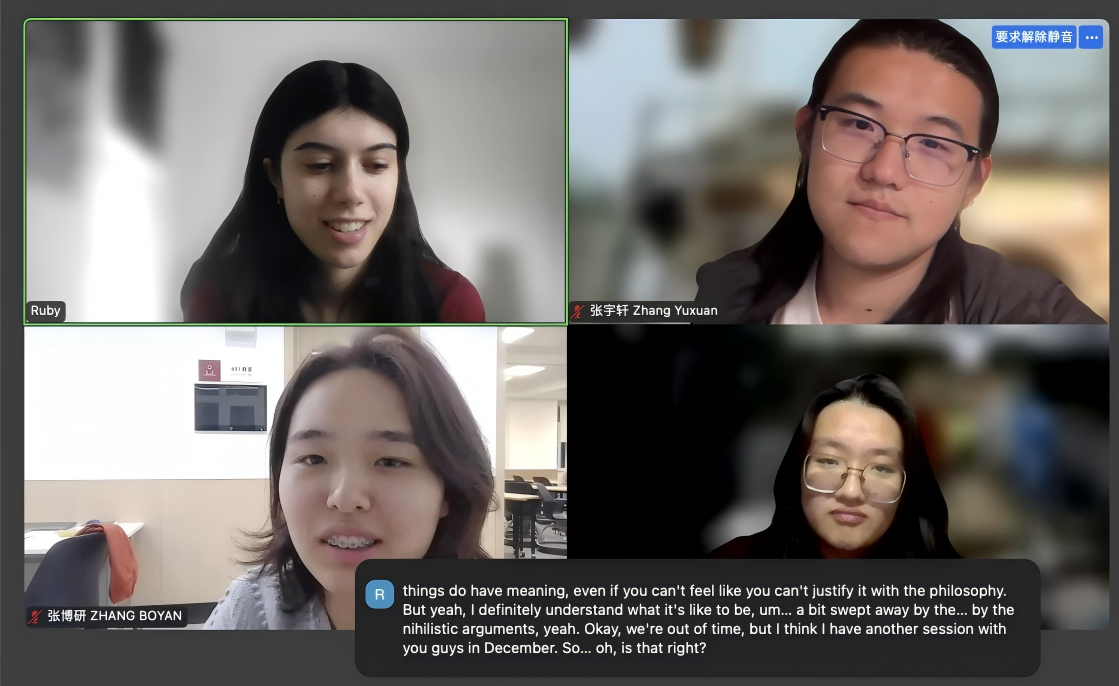
The program’s curriculum was meticulously designed, encompassing one orientation session, four small-group tutorials, two office hour sessions, and three academic enrichment activities, forming a learning chain that moved from cognition to inquiry and from inquiry to deeper understanding. The orientation session systematically introduced the course framework, academic requirements, and resource support, helping students quickly build a foundational understanding of their learning. Thematic lectures provided in-depth instruction on core academic topics, guiding students to grasp the frontiers of the discipline. The office hours offered students opportunities for in-depth communication, precisely addressing individualized problems in literature study and topic conceptualization. The academic enrichment activities, conducted through themed seminars, joint literature reading, and academic writing workshops, helped students broaden their research horizons and hone their academic skills.
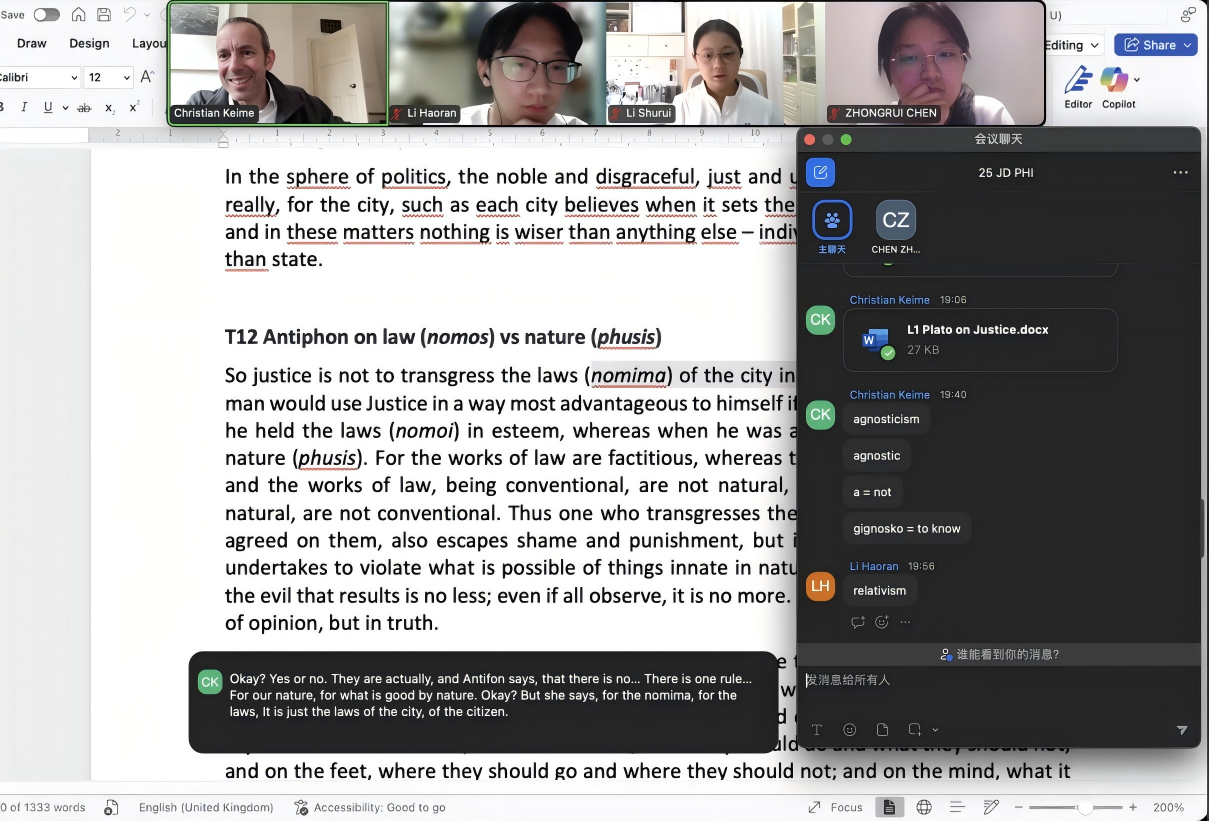
Starting in October 2025, the students began their studies under their respective supervisors. Before each tutorial, students were required to study English-language reference materials assigned by their supervisors in advance, form independent thoughts in conjunction with the lecture content, and raise research questions, thereby deepening their understanding of academic topics through interactive exchanges. Midway through the program, the students completed academic presentations on self-selected research topics, and the supervisor team provided targeted feedback and suggestions for improvement from dimensions such as depth of content, logical structure, and presentation delivery. After the lecture component concluded, the students submitted academic papers in English, and the Cambridge supervisors provided meticulous, word-by-word corrections for each paper, offering specific revision advice and directions for academic improvement. The participating students carefully completed feedback questionnaires and submitted summary reports on time, sharing their learning gains and reflections, and expressed their sincere gratitude for the supervisors’ attentive guidance, the School’s organizational support, and the program organizers’ full commitment.
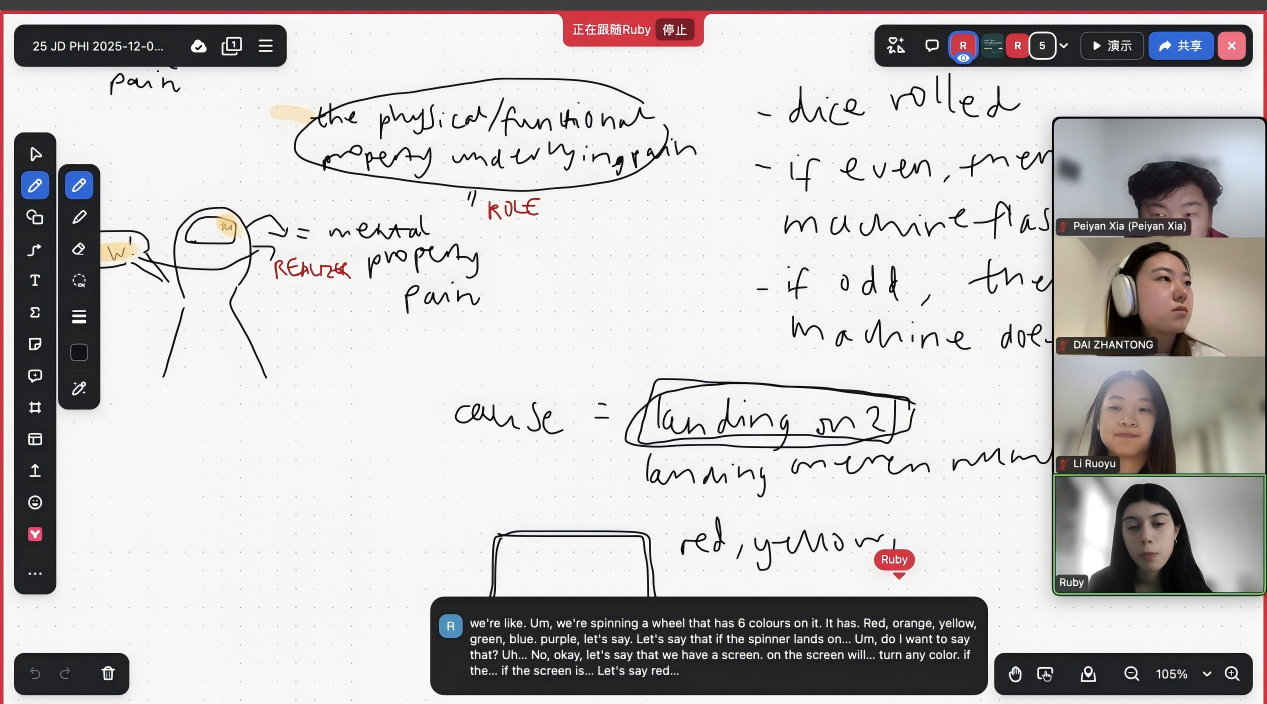
This academic cultivation program built a bridge for students to access the frontiers of international academia, effectively expanding their global vision and academic outlook. The program’s intensive tutorial system model specifically enhanced the students’ critical thinking, cross-cultural communication, and English academic writing skills, further strengthening their academic aspirations and research convictions. The successful implementation of this collaborative program is of great significance for continuously enhancing our students’ international competitiveness, promoting innovative interdisciplinary development, and deepening international academic exchanges and cooperation.