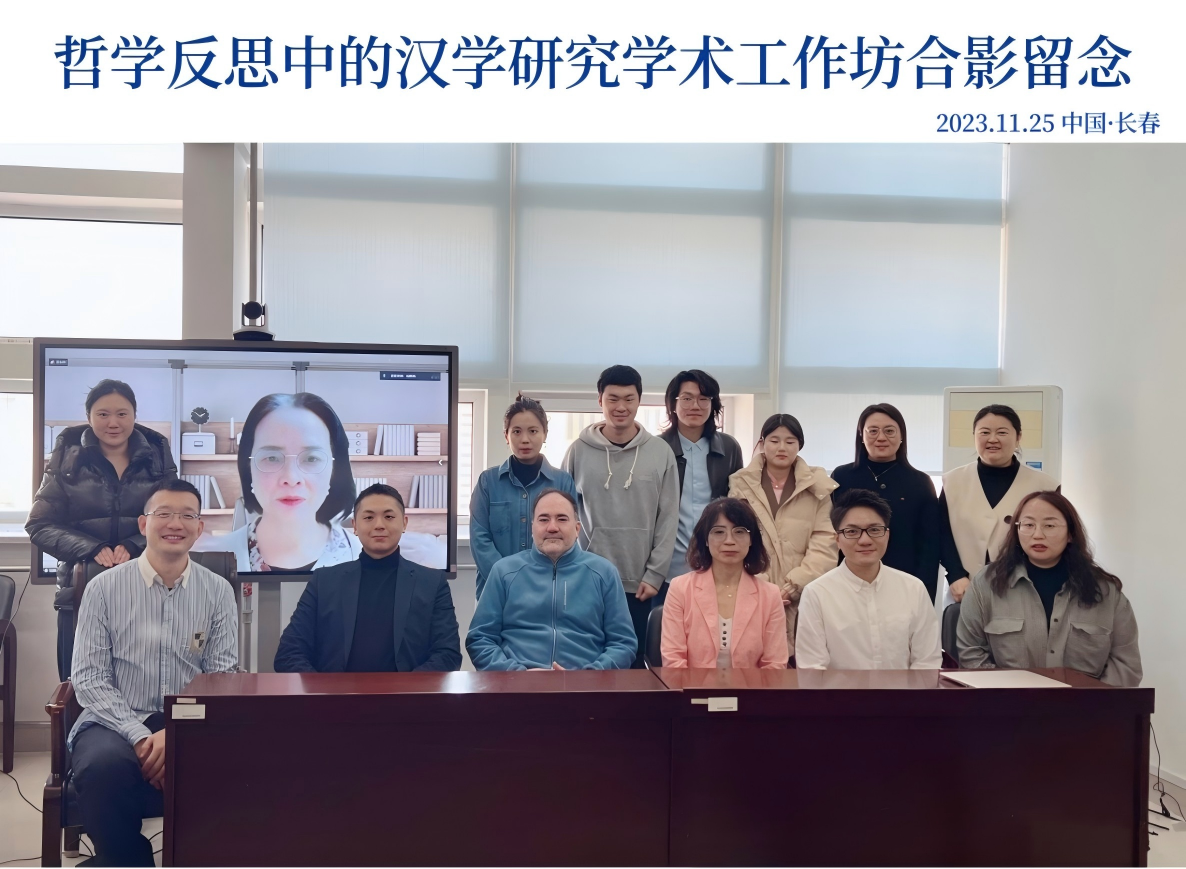
On November 25, 2023, the “New Sinology Program” Doctoral Academic Training Project—Academic Workshop on “Sinology Studies in Philosophical Reflection,” co-organized by the Center for Language Education and Cooperation of the Ministry of Education and the School of Philosophy and Sociology of Jilin University, was held in the conference room on the fourth floor of Kuang Yaming Building at Jilin University. The workshop invited experts in relevant research fields, including Professor Liu Yan from Beijing International Studies University, Associate Professor Cai Juemin from Tianjin Foreign Studies University, Associate Professor Li Weihao from Shandong University, and Associate Professor Ignacio Ramos Riera (Da Qi) from Jilin University. Two doctoral students from the “New Sinology Program,” Izuhara Eigo from Peking University and Enkhtaivan Khulan (Mei Ling) from Shandong University, along with several graduate and undergraduate students including Xu Yan from Heilongjiang University and Jiao Yu from Jilin University, participated in the academic workshop.
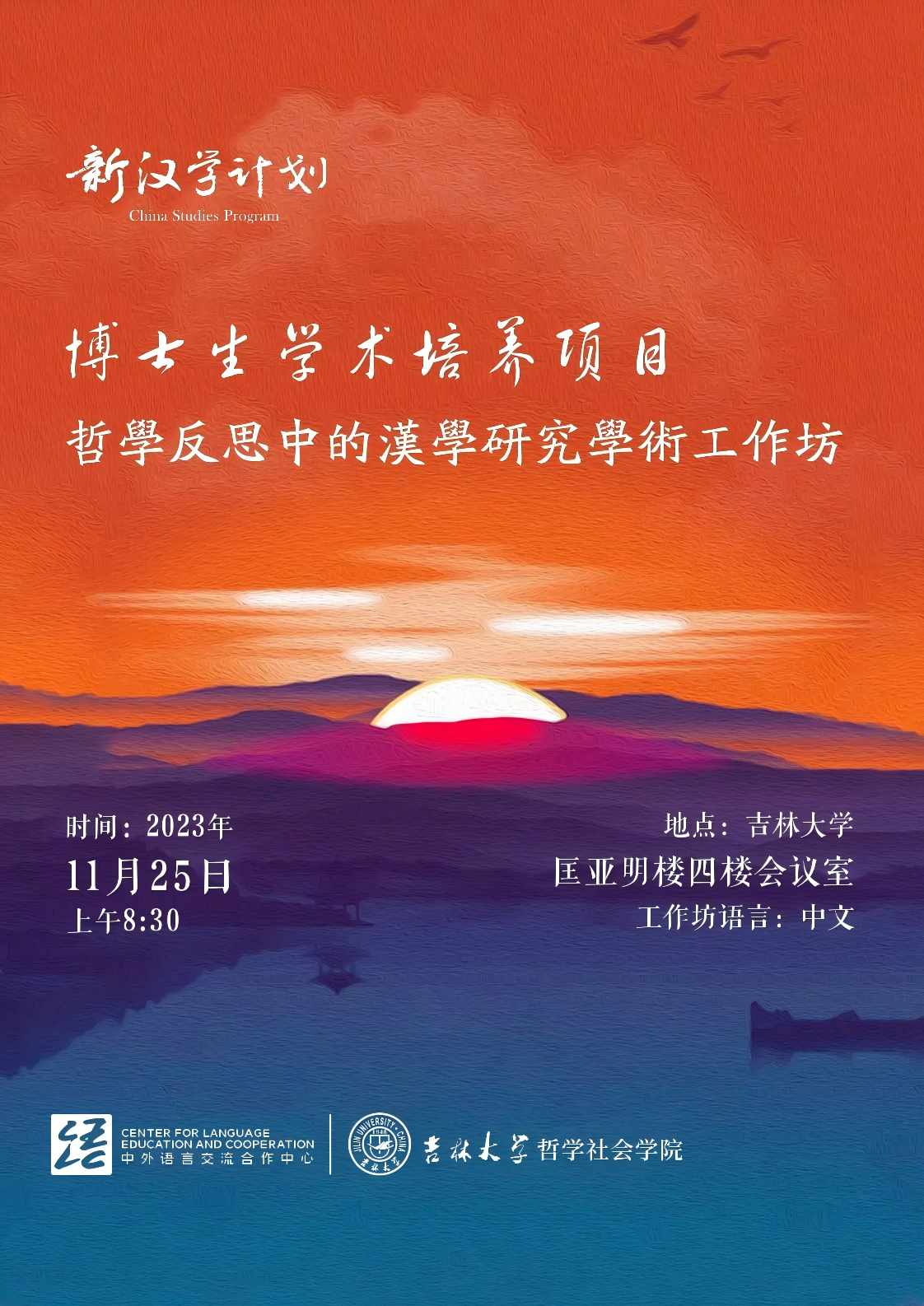
The academic workshop consisted of two parts: “Paper Presentations and Expert Commentary” and a “Roundtable Forum.”
Part I: Paper Presentations and Expert Commentary
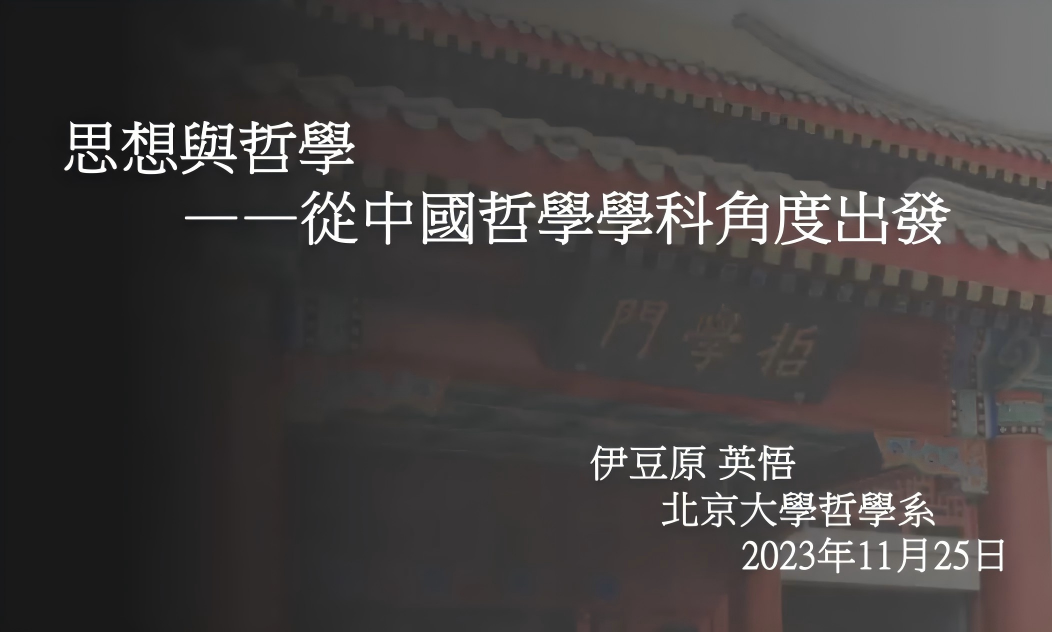
The first half of “Paper Presentations and Expert Commentary” was chaired by doctoral student Lu Hanqing from the School of Philosophy and Sociology, Jilin University. First, Izuhara Eigo from the Department of Philosophy, Peking University, presented his paper “Thought and Philosophy: From the Perspective of the History of the Discipline of Chinese Philosophy.”
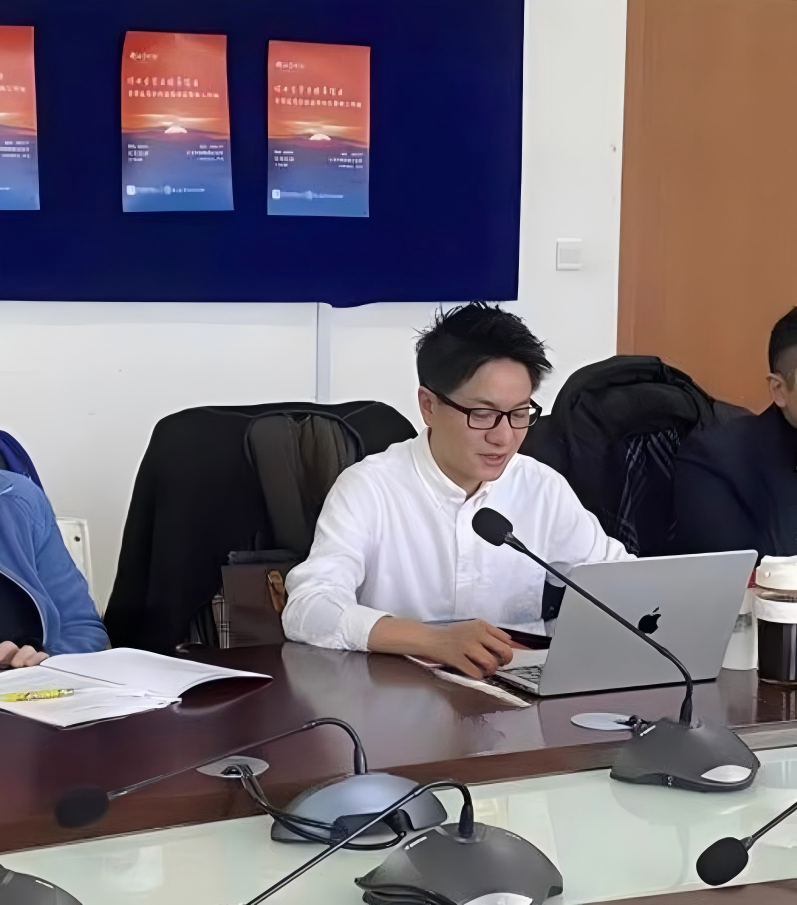
Subsequently, Jiao Yu from the School of Philosophy and Sociology, Jilin University, presented the paper “‘Affirming’ yet ‘Different’: Toegye’s Thought and Zhu Xi’s Neo-Confucianism under the Influence of ‘Xinjing Fuzhu’ (Appended Commentaries to the Classic of the Mind).”
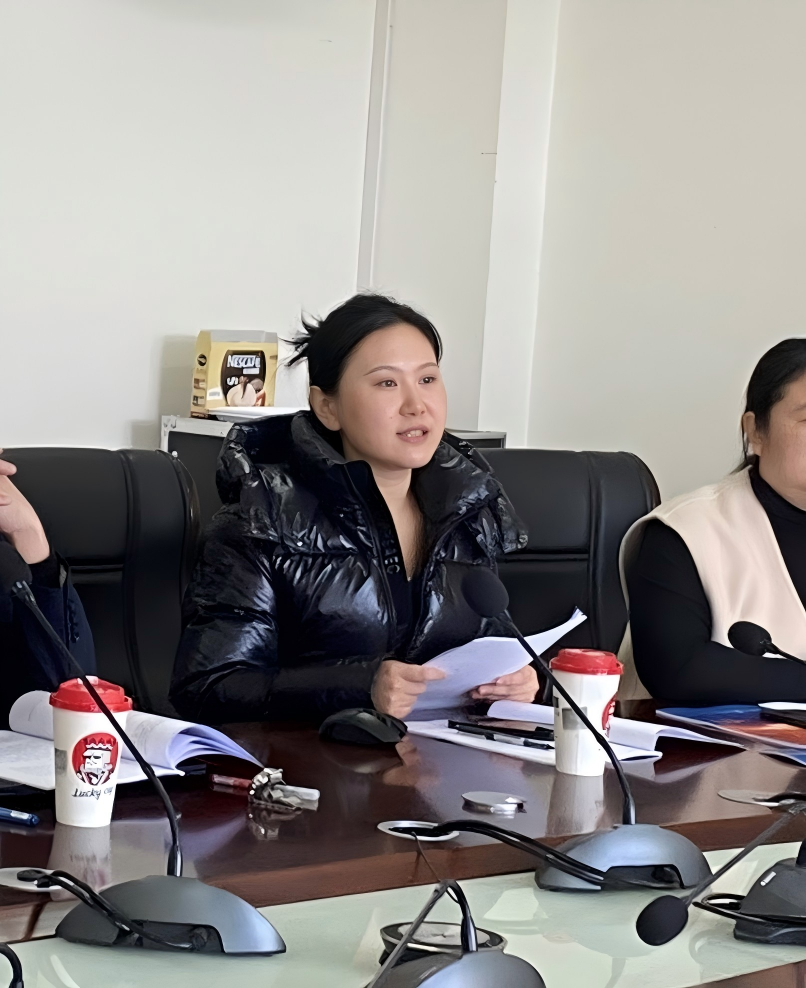

After the two students’ presentations, Professor Li Weihao from the Advanced Institute of Confucian Studies, Shandong University, and Professor Cai Juemin from the School of International Communication, Tianjin Foreign Studies University, provided detailed comments from different disciplinary perspectives on the problems in the two papers and the areas needing improvement.
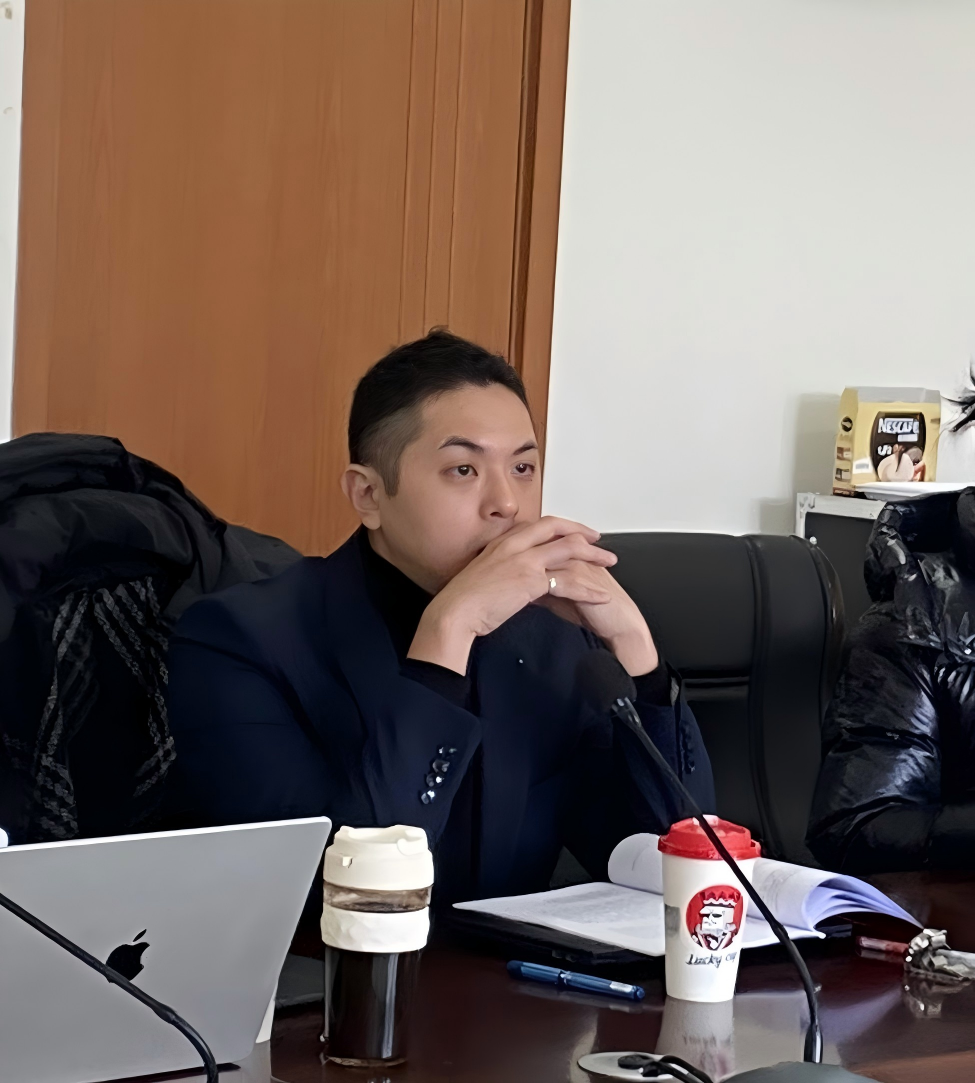
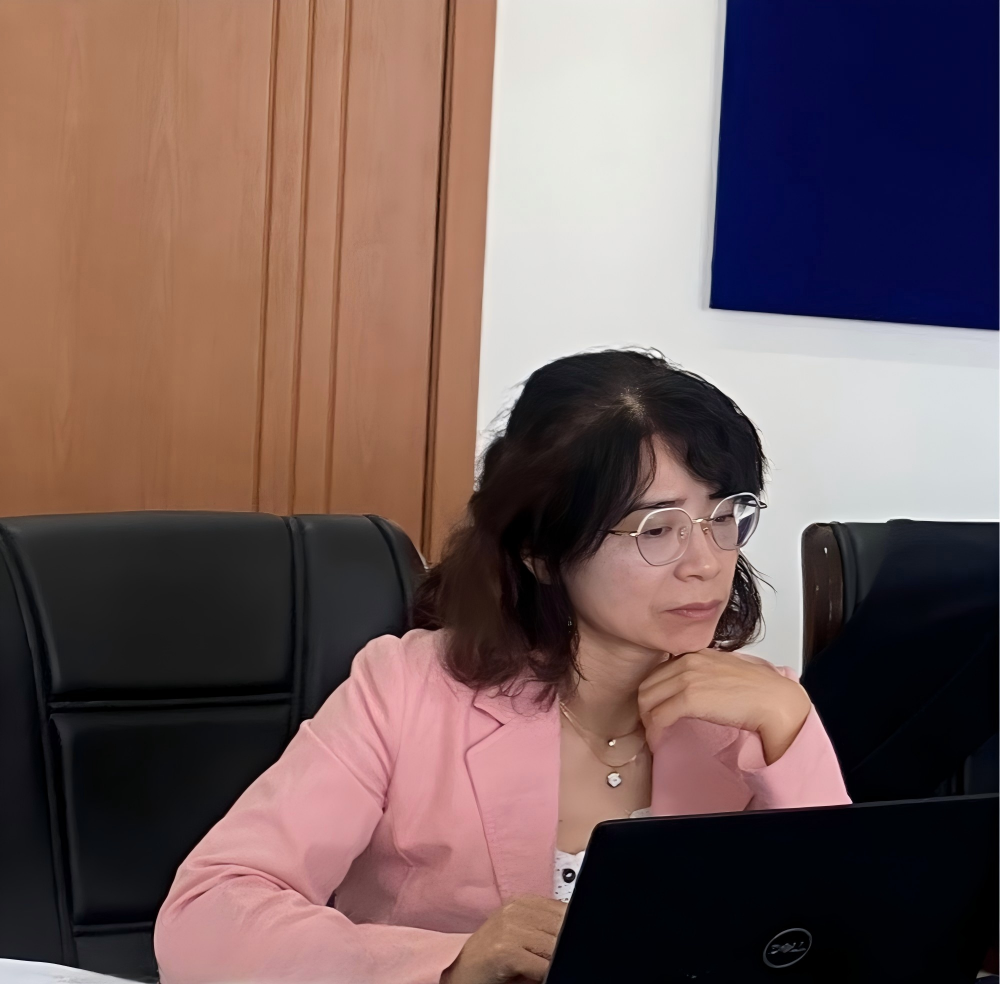
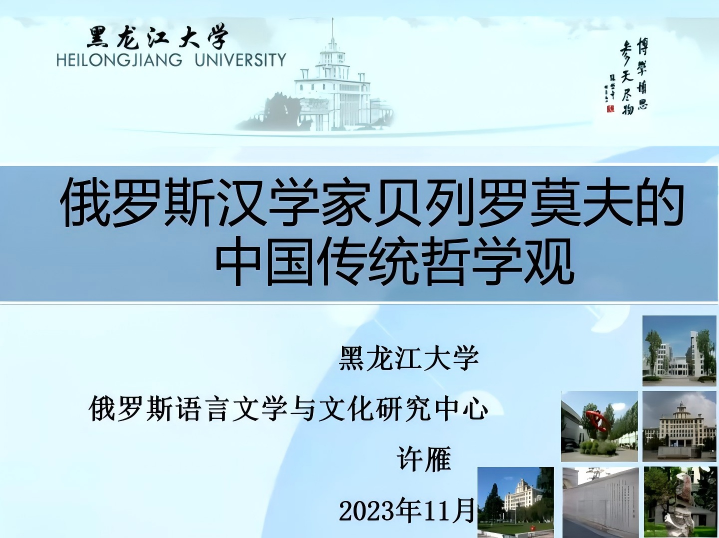
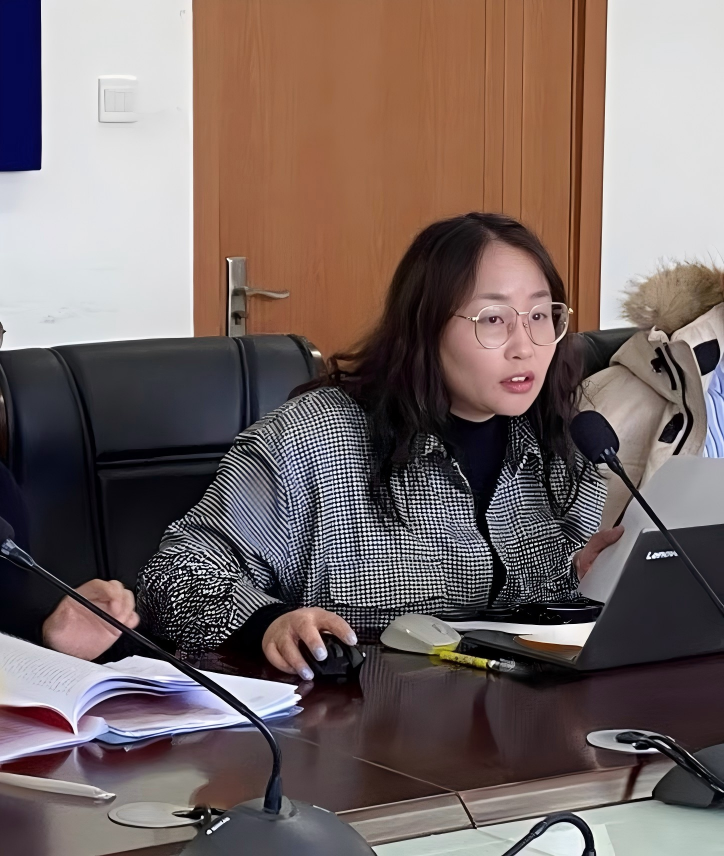
The second half of “Paper Presentations and Expert Commentary” was chaired by doctoral student Jiao Yu from the School of Philosophy and Sociology, Jilin University. First, doctoral student Xu Yan from the Research Center for Russian Language, Literature and Culture, Heilongjiang University, presented her paper “On Russian Sinologist L. S. Perelomov’s Views on Traditional Chinese Philosophy.”
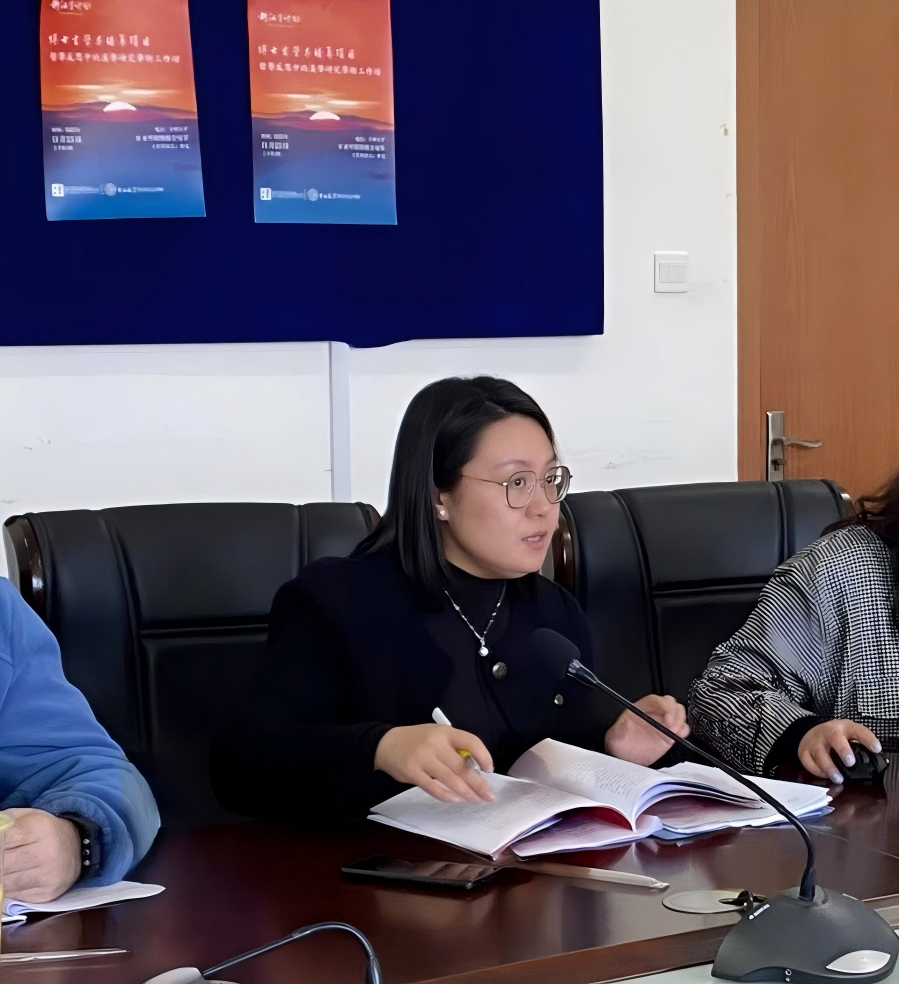
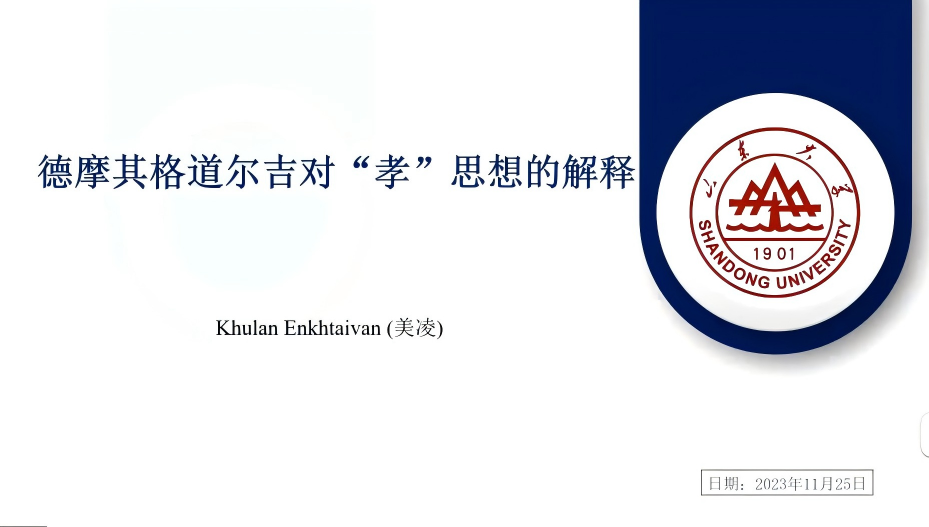
Then, Enkhtaivan Khulan (Mei Ling) from the School of Philosophy and Social Development, Shandong University, presented her paper “Demchigdorji’s Interpretation of ‘Filial Piety’.”
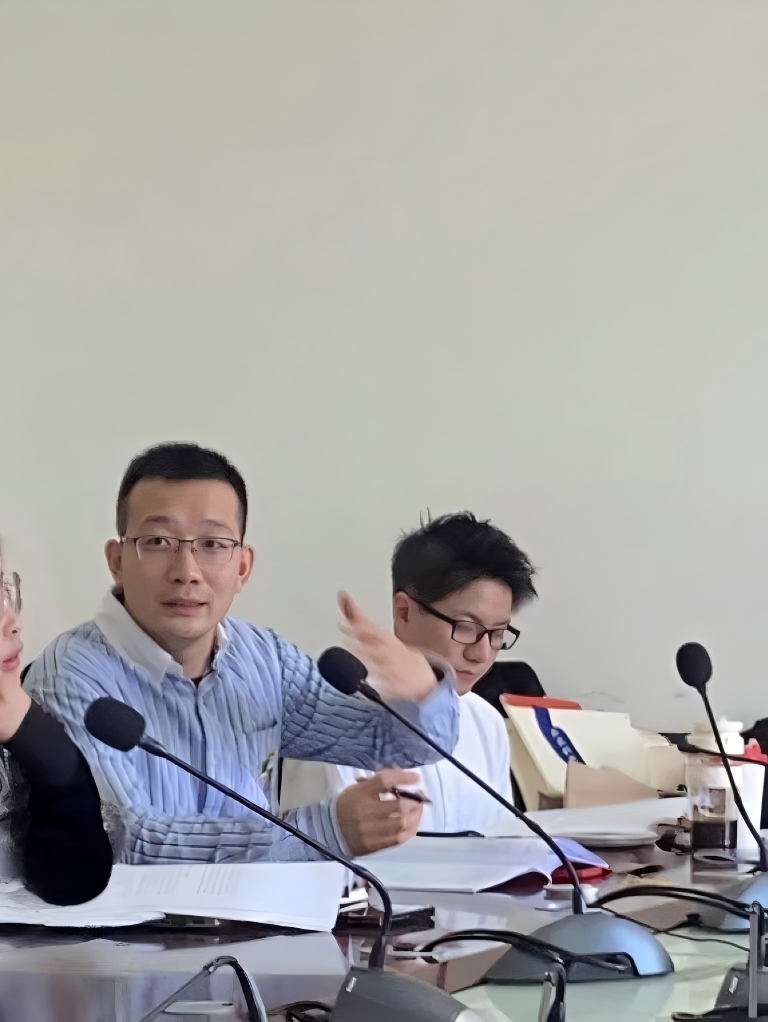
After the two students’ presentations in the second half, Professor Liu Yan from the School of Culture and Communication, Beijing International Studies University, gave detailed guidance on the two papers regarding areas needing improvement in historical investigation, cultural stance, and research reflection. Professor Zhang Muliang from the School of Philosophy and Sociology, Jilin University, pointed out issues of precision in the use of philosophical concepts in both papers.

Part II: Roundtable Forum
The theme of the roundtable forum was “Connecting Philosophy and Sinology: Translation, Understanding, and Philosophical Interpretation.” It was initiated by Professor Cai Juemin and Professor Zhang Muliang, with the participation of Professor Liu Yan and the graduate students. Professor Cai Juemin introduced the theme, stating that it aimed to explore how reflecting on Sinologists’ research paradigms and perspectives could provide inspiration for our own cultural research. Professor Zhang Muliang noted that designing the roundtable forum in this relatively open format was conducive to deepening interdisciplinary and faculty-student exchanges and to enhancing graduate students’ academic competence and communication skills.
In this session, Professor Liu Yan spoke about her attention to contemporary American Sinology research methods and introduced the Confucian studies of the Sinologist Donald Munro. Professor Da Qi (Ignacio Ramos Riera) from the School of Foreign Languages, Jilin University, discussed the differences between Chinese and Western thinking from the perspective of learning Chinese characters, and argued that Sinology and philosophy share a mission of promoting world peace. Professor Li Weihao, proceeding from the connotations of the three concepts of translation, understanding, and philosophical interpretation, emphasized the need to think about the bridges that connect and link Chinese and Western civilizations. Izuhara Eigo argued that the development of thought should be explored within the historical context of Chinese and foreign interpretive histories. Enkhtaivan Khulan (Mei Ling) talked about some problems in existing Mongolian-language Sinology research and expressed the hope that more scholars would engage in this field in the future.
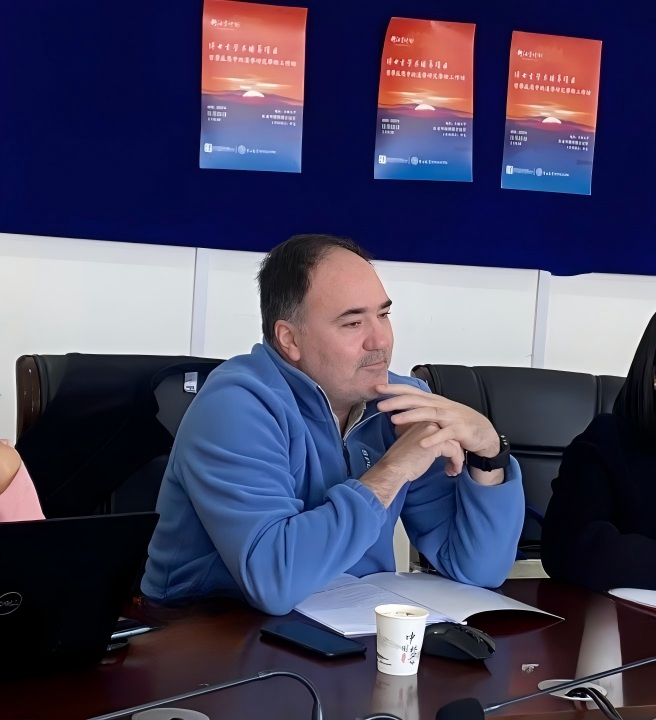
Finally, Professor Zhang Muliang of Jilin University summarized the academic workshop and expressed gratitude to the Center for Language Education and Cooperation of the Ministry of Education, the School of Philosophy and Sociology of Jilin University, the Office of International Cooperation and Exchange of Jilin University, the Institute of Social Sciences Research of Jilin University, and other institutions and departments for their strong support of the event.